
Hva er fargeanalyse?
Oppdag vitenskapen bak personlig fargeanalyse og hvordan de riktige fargene kan transformere hvordan du ser ut og føler deg.
Fra skreddersøm til personlig fargeteori
Har du noen gang tenkt på at i menneskets historie er det faktisk ikke så lenge siden at alle klær var skreddersydd eller håndsydde? Det betydde at man faktisk måtte tenke litt selv når man valgte antrekk.
Det var den industrielle revolusjonen som begynte å masseprodusere klær for oss, og valgene ble gjort for oss. De som hadde råd til det, gikk til motehus eller varehus for å få klær skreddersydd og man vil tro også personlig rådgivning om farger og stil.
De tidligste bøker om personlig fargeteori kom på 1950-tallet. Gjennomgangstemaet for disse teoriene var årstidsbasert i 4 sesonger: Vinter, Sommer, Vår og Høst. På 80-tallet hadde personlig fargeteori et stort comeback.

Møt Kathryn Kalisz og Sci/Art
Kathryn Kalisz, en Munsell-kolorist, forsøkte i 1987 å løse gåten med de 4 årstidene. Hun brukte sin kunnskap om fargelære og Munsell-fargeklassifiseringssystemet til å skape de 12 sesongtonene som kjennetegner dette systemet i dag.
Hun fant ut at de fleste mennesker, faktisk rundt 80%, passer ikke i noen av disse «ekte» årstidene, men faller mellom disse — i de nøytrale årstidene.
Hun kalte systemet Sci/Art fordi det er en kombinasjon av vitenskap (fargeteori) og kunst (bruk av farge på en kunstnerisk måte) for å lage 12 distinkte og unike fargepaletter som harmonerer med en persons hudtone.
Mange mener at Sci/Art er gullstandarden innenfor personlig fargeanalyse
De 12 sesongene
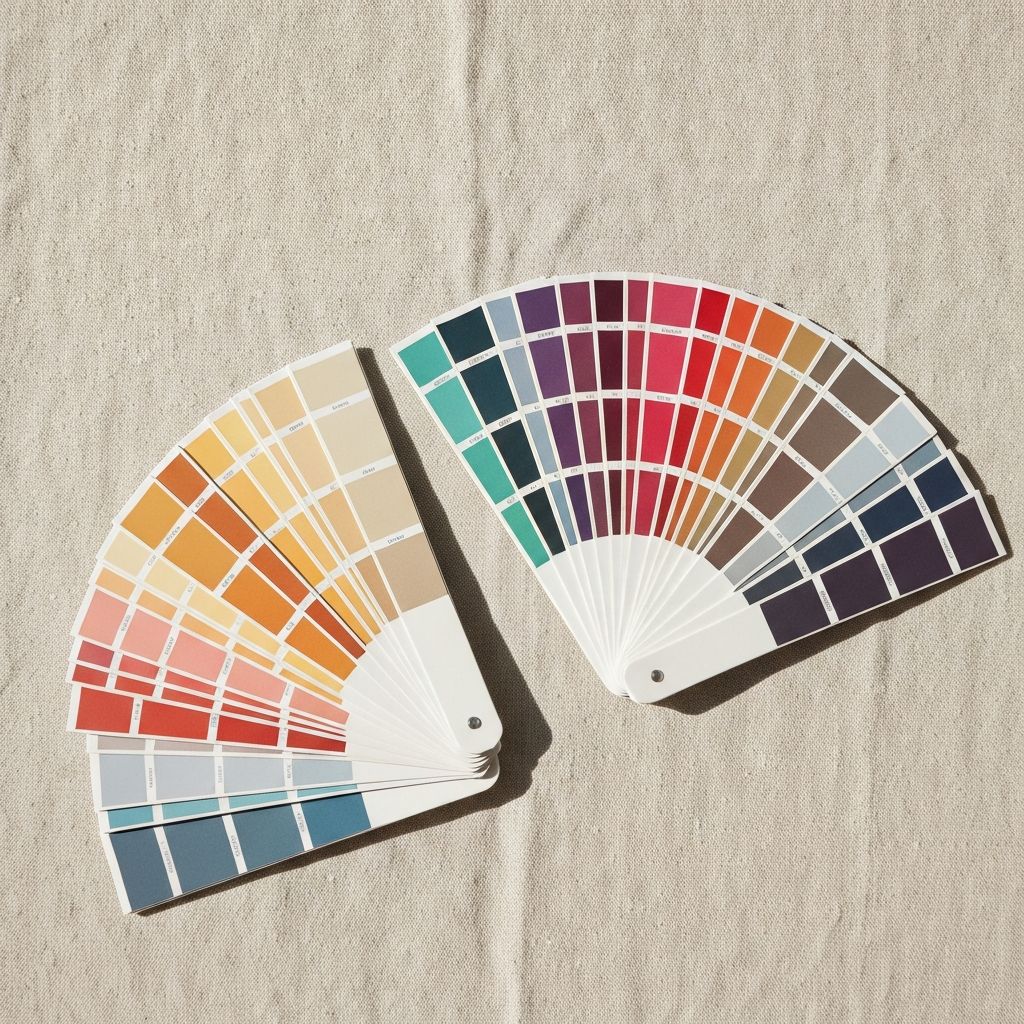
Basert på Munsells tre dimensjoner for å måle farge, skaper Sci/Art-systemet 12 distinkte og unike fargepaletter som harmonerer med ulike hudtoner.
Lys Vår
Ekte Vår
Klar Vår
Klar Vinter
Ekte Vinter
Mørk Vinter
Mørk Høst
Ekte Høst
Myk Høst
Myk Sommer
Ekte Sommer
Lys Sommer
De tre dimensjonene
Sci/Art bruker Albert Munsells tre dimensjoner for å måle farge. Disse hjelper oss å finne din perfekte fargepalett.
Temperatur
Hvor kald eller varm en farge er. Dette handler om undertonen i fargene - blåbaserte (kalde) eller gulbaserte (varme).
Verdi
Hvor lys eller mørk en farge er. Dette påvirker kontrasten mellom dine beste farger og din naturlige hudtone.
Kroma/Intensitet
Hvor klar eller dempet en farge er. Noen ser best ut i klare, livlige farger, mens andre trenger mer dempede toner.
Hva skjer under en fargeanalyse?
Under fargeanalysen tester vi hvordan hudtonen din reagerer i henhold til de tre fargedimensjonene: temperatur, verdi og kroma. Tro det eller ei, men du vil faktisk se selv hvordan du reagerer på ulike farger.
Noen farger gir helt ok reaksjoner, andre vil være veldig uheldige, og noen kommer til å se ut som alt er i harmoni med deg.
Naturen har allerede gitt deg dine perfekte farger. Vi vil bare finne ut hva de er, slik at du kan bruke dem til klær, hårfarge, tilbehør, sminke eller hva du enn måtte ønske.
Med kalibrerte tekstildrapperinger og studiomessig belysning klarer vi å finne fram til den paletten som passer til din individuelle hudtone. Dette er ikke styling som følger trender - det er en analyse som du kommer til å ha glede av resten av livet, da dine farger ikke endrer seg over tid.
Og ja, fargeanalyse er også for menn!
Klar til å finne dine farger?
Bestill en fargeanalyse i dag og oppdag hvilke farger som får deg til å stråle.